Ausome Mom: A Designer's Take on Real-World Embroidery Use
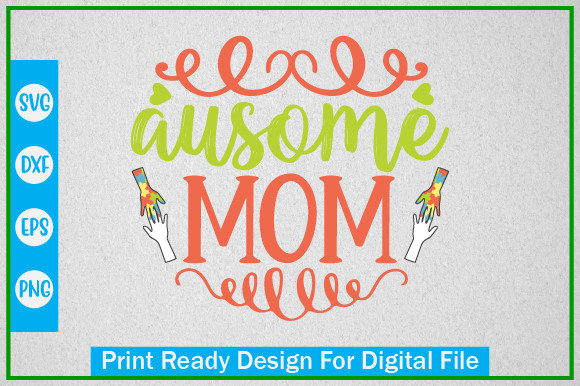
When I first pulled up the Ausome Mom design file on my screen, my immediate reaction wasn't just about the cute factor; it was about feasibility. As someone who spends hours digitizing and stitching for clients, I look past the initial charm to see how a graphic translates into thread. This piece falls under the Crafts and Graphics categories, but for us embroidery enthusiasts, the real question is whether it holds up under the needle. The design carries a playful, modern vibe that feels perfect for the current market trend of celebrating motherhood with a touch of humor and style. However, turning a digital asset into a durable, high-quality handmade product requires a critical eye.
First Impressions and Visual Personality
The layout of Ausome Mom strikes a balance between bold statement and approachable warmth. The typography appears sturdy, which is a good sign for embroidery, as thin, wispy letters often get lost or break during washing. The visual personality suggests a design that belongs on items meant to be worn with pride or displayed in a home setting. It creates a mood of celebration without being overly sentimental, making it versatile for various demographics. Whether you are targeting new moms, grandmothers, or anyone who identifies with the "awesome" spirit of parenting, this graphic has the right energy. For an Etsy seller or small shop owner, this kind of universal appeal is gold, as it widens the potential customer base beyond just specific holidays.
Real-World Application: The Tote Bag Test
To truly evaluate this machine embroidery design, I imagined a specific real-life scenario: creating a custom tote bag for a local boutique's Mother's Day collection. Tote bags are a staple for craft business owners because they offer a large, flat canvas. In this context, Ausome Mom would likely shine. The design's structure suggests it would stitch out cleanly on a medium-weight canvas or cotton duck.
If I were running this as a sweatshirt embroidery project, the thick fleece would provide a nice backdrop, giving the stitches some lift and texture. However, one must consider the stitch density. If the design relies heavily on solid fills, it could become too stiff on a garment meant for comfort. On a tote bag, that stiffness adds structural integrity, but on a baby onesie or a lightweight tee, it might cause puckering. This is where the designer's judgment comes in. Before committing to a full production run of custom apparel, I would strongly advise testing the file on scrap fabric that matches your final product's weight.
Versatility Across Products
The beauty of a strong graphic like Ausome Mom is its adaptability. Here is how I see it performing across different mediums:
- Aprons and Kitchen Towels: The playful text works wonderfully here, adding a personal touch to functional items. Just ensure the thread colors contrast well against typical kitchen linens.
- Embroidered Patches: This design has the potential to be a fantastic patch. The defined edges suggest it would cut cleanly if used as an appliqué or a merrowed edge patch, perfect for adding to denim jackets or backpacks.
- Nursery Decor: Stitched onto a pillow cover or a wall hanging, it serves as gentle, encouraging decor for a child's room.
- Holiday Gifts: It is not limited to Mother's Day; it fits perfectly for birthdays or "just because" gifts that celebrate family.
Technical Considerations and Fabric Choices
While the design is promising, there are areas where caution is necessary. If you plan to stitch Ausome Mom on stretchy fabrics like jersey knits or performance wear, the stability of the text is crucial. Thin lines in the lettering could distort if the fabric stretches during wear. In these cases, using a high-quality cut-away stabilizer is non-negotiable. For textured fabrics like towels or corduroy, the underlying texture might interfere with the clarity of smaller details. A water-soluble topper can help bridge the gap between the needle and the uneven surface, ensuring a crisp finished product.
Another factor is the hoop size. Depending on the scale you intend to use, you need to confirm that the design fits within your machine's maximum hoop size without losing resolution. Scaling a design down too much can turn distinct letters into a muddy blob of thread, especially if the original file relies on fine running stitch outlines rather than robust satin stitch or fill stitch areas. Since the product description mentions EPS, SVG, DXF, and PNG files, it is vital to verify if you have a dedicated embroidery file format (like PES, DST, or EXP) or if you are expected to digitize the vector graphics yourself. If this is a print-ready graphic intended for vinyl cutting or printing, attempting to stitch it directly without proper digitizing could lead to disastrous results.
Enhancing Brand Value and Customer Trust
For commercial embroidery projects, the quality of the stitch-out directly reflects on your brand. A clean, well-executed version of Ausome Mom signals professionalism. It tells the customer that you care about the details. Conversely, a poorly stitched version with visible backing or skipped stitches can damage trust instantly. Using this design in your printable mockup portfolios can help visualize the end result, but nothing replaces the tactile reality of the thread on fabric. When customers see a consistent, high-quality presentation across your design assets, they are more likely to engage and purchase.
Practical Notes for the Serious Maker
Before you list this as a small shop product or use it for a client order, take these practical steps:
- Verify File Compatibility: Ensure you have the correct embroidery file format for your specific machine model. The listed formats (EPS, SVG, DXF, PNG) are often for cutting machines or printing, not necessarily direct stitching.
- Check Licensing: Confirm whether the license allows for commercial use of the finished physical items. Some digital downloads restrict selling the design itself but allow selling the stitched product, while others may have different terms.
- Test Thread Contrast: Run a test stitch-out in black and white or high-contrast colors to check for legibility before committing to a specific color palette.
- Inspect Small Details: Zoom in on the digital file to look for tiny gaps or overlapping paths that might cause thread breaks.
- Consider Washability: Think about how the item will be cared for. Will the design hold up after frequent washing? Dense areas might need trimming to reduce bulk.
In conclusion, Ausome Mom offers a charming aesthetic that fits well within the current landscape of personalized gifts and boutique goods. Its success, however, hinges on the execution. By treating it with the technical respect it deserves—choosing the right fabrics, stabilizers, and thread—you can transform a simple digital download into a cherished keepsake. Whether you are a hobbyist making a gift for a friend or an entrepreneur building a catalog of baby embroidery and adult apparel, this design has the potential to be a standout piece in your collection, provided you navigate the technical nuances with care.