Family Matching Tees: A Designer's Honest Review
As someone who spends hours hunched over an embroidery hoop and even more time tweaking digital files for clients, I approach every new design asset with a critical eye. We've all been there: you download a file that looks perfect on the screen, only to find out it's a nightmare to stitch or loses its charm once thread hits fabric. That is why I took a close look at the Family Matching Tees - Mom, Dad, Kids graphics before committing to a real-world project. This isn't just about whether the image is cute; it's about whether it holds up as a viable machine embroidery design source for a craft business or a heartfelt personalized gift.
First Impressions and Visual Personality
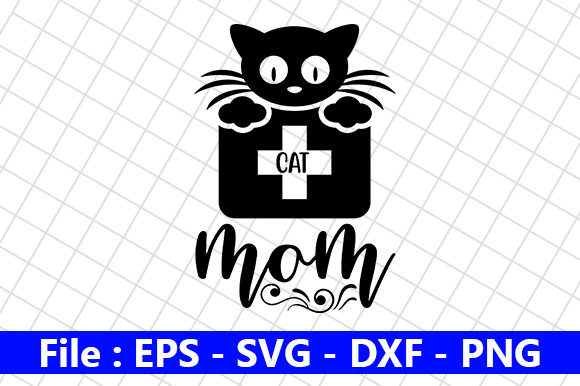
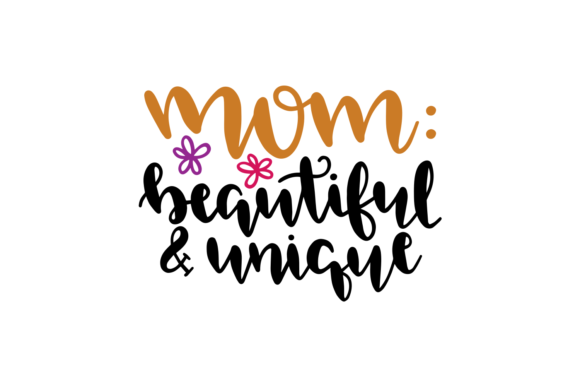
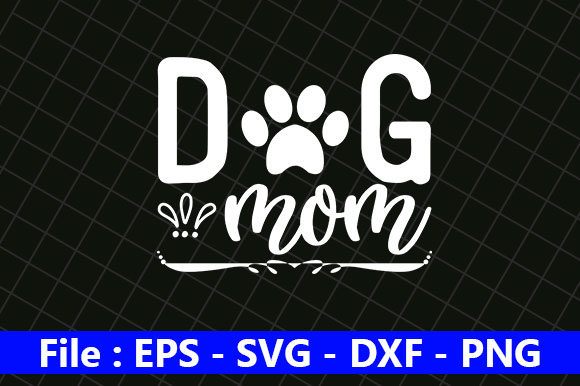
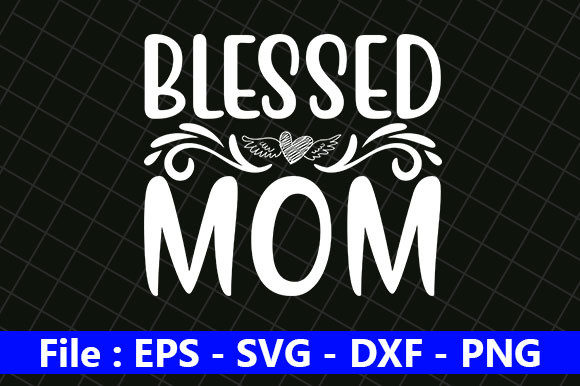
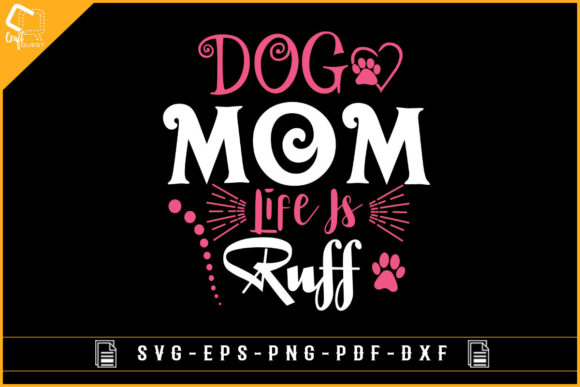
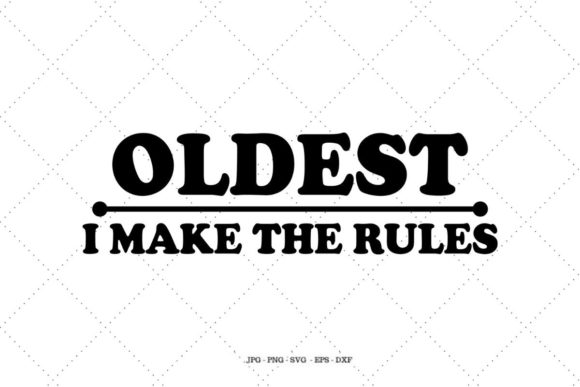
When I first opened the SVG file included in this package, the immediate takeaway was its clean, modern silhouette style. In the world of Crafts and Graphics, simplicity often wins, especially when dealing with family-themed items. The layout suggests a cohesive set where each member has their own distinct identity while remaining part of a unified whole. For an embroiderer, this visual clarity is crucial. Complex gradients or tiny, intricate details often turn into a muddy mess under high-speed stitching, but the bold lines here suggest excellent potential for conversion into satin stitches or clean fill areas.
The mood is warm and inviting without being overly sentimental or cliché. It strikes that difficult balance between "boutique quality" and "approachable handmade." If you are an Etsy seller looking to expand your holiday catalog or a maker creating custom apparel for a local client, this aesthetic fits perfectly into current trends. It feels contemporary enough for a young family but classic enough to remain relevant next year.
Real-World Application: The Sweatshirt Scenario
To truly test the viability of Family Matching Tees - Mom, Dad, Kids, I imagined a specific real-life scenario: a custom order for a family of four needing matching Christmas morning outfits. The client wanted cozy crewneck sweatshirts rather than thin t-shirts. This is a common request in the custom apparel market, and it presents specific challenges regarding fabric texture and stretch.
Using this graphic as inspiration for an embroidery project on fleece-backed cotton requires careful planning. Because the original file is an SVG intended for cutting or printing, translating it to an embroidery file means paying close attention to stitch density. On a thick sweatshirt, you want enough coverage to make the design pop, but not so much density that the fabric puckers or becomes stiff. The shapes in this design are broad enough to handle a medium-density fill stitch, which would provide great coverage without compromising the drape of the garment.
I can easily visualize these designs working as a central chest logo or perhaps slightly offset on the left breast for a more subtle look. For the kids' sizes, scaling the design down is essential. One of the strengths of this graphic set is its scalability; the lines remain distinct even when reduced for a toddler's smaller frame. This makes it an ideal candidate for a full range of baby embroidery and adult sizing within the same order.
Navigating Fabric and Hoop Challenges
While the design shows promise, practical application requires caution. If you plan to use this on textured fabrics like waffle knits or heavy towels, the finer details might get lost. In those cases, I would recommend simplifying the digitizing further, perhaps opting for a running stitch outline rather than a full fill to let the fabric texture shine through. Similarly, if you are attempting this on a curved surface like a cap, the horizontal span of the design needs to be checked against your available hoop size. A standard 4x4 hoop might be tight for the "Dad" or "Mom" versions if they include wider elements, so measuring your specific digitized version is a non-negotiable step.
Dark fabrics present another consideration. Since the original SVG relies on shape rather than internal color variation, you have total freedom with thread colors. However, when stitching on black or navy garments, ensure your digitizer adds a proper underlay. Without it, the fabric might peek through the stitching, ruining the crisp professional look that customers expect from a small shop product.
Commercial Viability and Brand Consistency
For creative entrepreneurs and digital product sellers, consistency is key to building trust. Using a cohesive set like Family Matching Tees - Mom, Dad, Kids helps establish a recognizable brand style. Whether you are selling finished handmade products or offering customization services, the uniformity of the design family signals professionalism. It tells the customer that thought went into the creation process.
This design also translates well beyond clothing. Imagine applying these motifs to a tote bag design for a family reunion or as an embroidered patch that can be ironed onto denim jackets. The versatility increases the perceived value of your offerings. A customer buying a single shirt might return for a matching pillow cover or kitchen towel if they see how adaptable the design is. This cross-product potential is gold for maximizing revenue during peak seasons like holidays or back-to-school.
Essential Designer Notes for Execution
Before you start stitching or listing this item in your store, here are a few practical steps I always take:
- Digitize with Care: Since the source is an SVG, you will need to digitize it for embroidery unless a specific machine file is provided. Pay attention to corner sharpness; rounded corners often stitch cleaner than acute angles on plush fabrics.
- Test on Scraps: Never run a client order without testing on the exact same fabric weight. Check how the stabilizer interacts with the material. A cut-away stabilizer is usually safer for stretchy knits to prevent distortion over time.
- Check Licensing: Always verify the license terms attached to the Graphics. Some SVGs are for personal use only, while others allow commercial sale of finished physical goods but prohibit reselling the digital file itself. Protect your craft business by knowing these limits.
- Contrast Testing: Create black and white mockups to ensure the design reads well without color. This helps identify if any areas are too thin or if the spacing between elements is sufficient for clean stitching.
- Wash Durability: Consider the end user. Family tees get washed frequently. Ensure your stitch direction and density can withstand multiple cycles without fraying or losing shape.
In conclusion, Family Matching Tees - Mom, Dad, Kids offers a solid foundation for a variety of commercial embroidery and personal projects. Its strength lies in its adaptable simplicity and emotional resonance. By respecting the limitations of your materials and taking the time to properly digitize and test, you can turn this simple graphic into a high-value finished product that customers will cherish. It is a reminder that in our industry, the best designs are not just the ones that look good on a screen, but the ones that survive the journey from file to fabric with their integrity intact.